OSHA 2025–2026 Regulatory Push: Heat Illness Prevention, Hazard Communication, Enhanced Enforcement
Why It Matters for Steel Warehouse
Steel Warehouse's processing operations — pickling lines, slitters, temper mills, coil cradles — are high-hazard environments subject to overhead crane, crushing/pinch point, chemical exposure (hydrochloric acid), and heat hazards. **Lock Joint Tube's** welding and roll-forming operations carry welding fume, arc flash, and machine guarding exposure. **Wright Metal Products** presses and fabrication lines face press guarding and struck-by hazards. The heat illness prevention rule, if finalized, would require formal heat illness prevention programs at all indoor facilities — a compliance investment that should begin planning now. The third-party inspection access change is a risk management consideration: any worker can now facilitate a union representative accompanying OSHA, regardless of the facility's union status.First reported: 2026-03-08 Section: E — Workplace Safety (OSHA)
OSHA's 2025 regulatory agenda prioritized four major areas: (1) PPE fit standards — updated requirements mandating PPE must properly fit all workers, including women and workers with non-standard body types; (2) Heat illness prevention — a long-anticipated rulemaking establishing mandatory heat illness prevention programs for both indoor and outdoor workplaces; (3) Hazard Communication (HazCom) — updates to align U.S. standards with the 7th revised edition of the UN Globally Harmonized System (GHS), affecting SDS formats and labeling; and (4) Recordkeeping — enhanced injury and illness tracking requirements with broader electronic submission mandates.
For 2026, OSHA's enforcement posture has shifted toward heightened oversight and stronger enforcement across manufacturing, energy, and utilities — the sectors with the highest rates of serious workplace injuries and fatalities. OSHA has also confirmed that employees may request a third-party representative (such as a union representative) to accompany OSHA compliance officers during inspections, even in non-unionized workplaces. This change effectively extends union-adjacent oversight to any workplace and represents a meaningful shift in inspection dynamics.
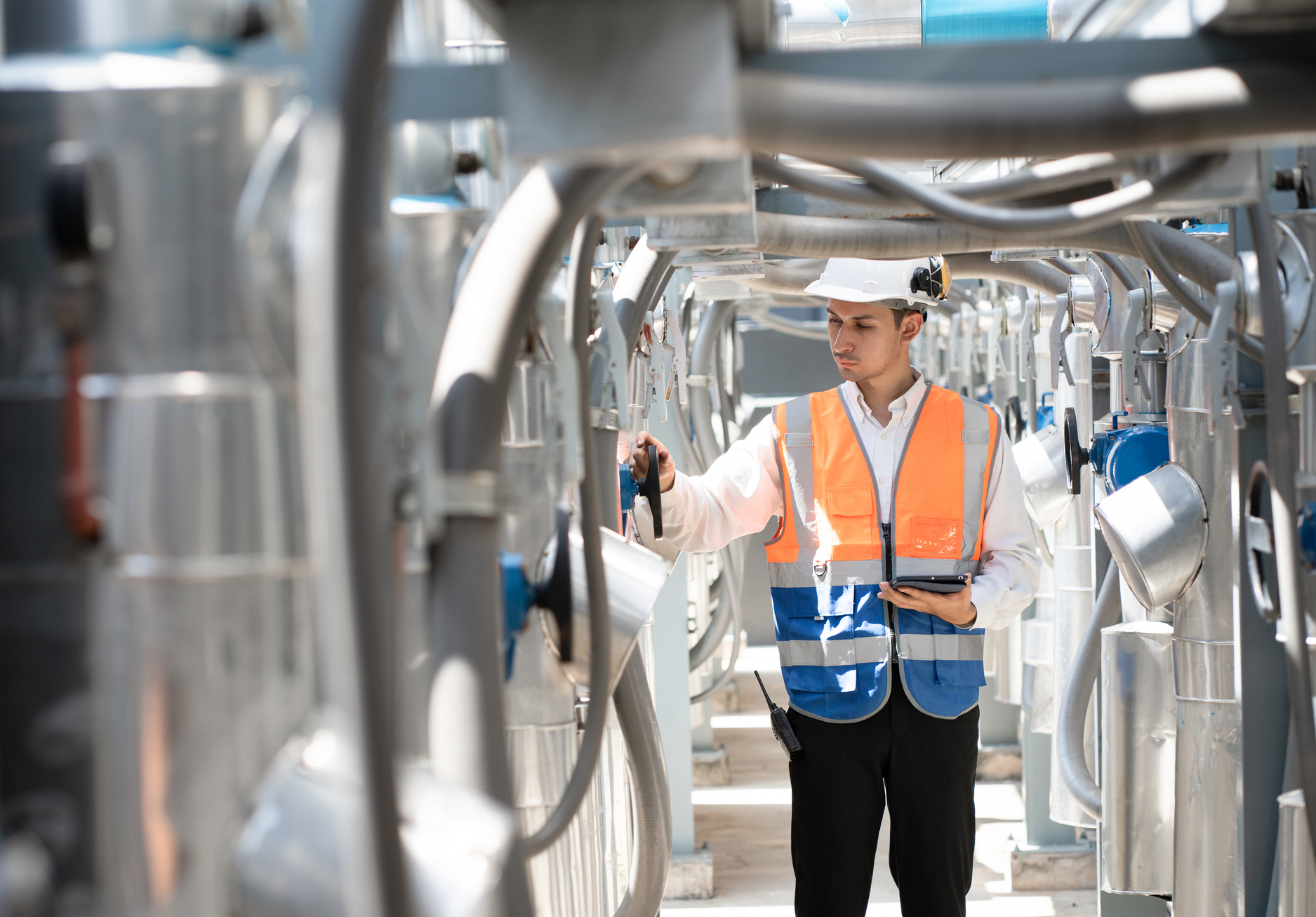
The heat illness prevention rulemaking is particularly significant for steel processing environments, where temperatures near slitting lines, pickling baths, temper mills, and cold rolling operations can be extreme. OSHA's proposed heat standard applies to all indoor workplaces where temperatures regularly exceed 80°F (action level) or 90°F (high heat trigger), which encompasses the majority of steel processing floor environments.
Sources
- OSHA 2026 Safety Standards: What Employers Must Know — SoloProtect
- OSHA's 2025 Updates: Impact on Warehouse, Manufacturing, and Delivery Workers — Pacific Workers
- OSHA in 2025: Key Updates and What Employers Should Know — Burr & Forman LLP
Update — 2026-03-08
Initial entry — story first created. Key action item: begin heat illness prevention program planning now ahead of potential final rule.
Update — 2026-03-08
OSHA Manufacturing NEP Renewed for 5 Years; March 2026 Citations Signal Enforcement Active
OSHA renewed its National Emphasis Program (NEP) for Manufacturing for five years — a significant signal that manufacturing sector enforcement will remain elevated through at least 2030. The NEP renewal focuses enforcement resources on machine guarding, silica exposure, respiratory protection, and chemical hazards — all directly relevant to steel processing environments.
Two notable recent citations provide real-world benchmarks for enforcement severity: - March 2026 — Toxic Chemical Exposure (Florida): OSHA cited a petroleum tank services contractor after an employee died from benzene and toluene exposure when entering a fuel storage tank. This is directly analogous to chemical exposure risks at steel pickling operations where hydrochloric acid and pickling fume exposure are active hazards. - February 2026 — Machine Guarding (Florida): OSHA cited Adonel Concrete Corp. with nine serious violations for inadequate machine guarding and failure to use lockout/tagout procedures after a worker suffered fatal injuries from a concrete block cubing machine. Machine guarding and LOTO are the most common citation categories at steel slitting and tube mill operations.
Bloomberg Law reported that "safety agencies show no signs of relaxing enforcement for 2026" — confirming that the change in administration has not produced the OSHA enforcement rollback some manufacturers anticipated.